Fair Use Notice

FAIR USE NOTICE


OCCUPY WELLNESS

This site may contain copyrighted material the use of which has not always been specifically authorized by the copyright owner. We are making such material available in an effort to advance understanding of environmental, political, human rights, economic, democracy, scientific, and social justice issues, etc. we believe this constitutes a ‘fair use’ of any such copyrighted material as provided for in section 107 of the US Copyright Law.

In accordance with Title 17 U.S.C. Section 107, the material on this site is distributed without profit to those who have expressed a prior interest in receiving the included information for research and educational purposes. For more information go to: http://www.law.cornell.edu/uscode/17/107.shtml

If you wish to use copyrighted material from this site for purposes of your own that go beyond ‘fair use’, you must obtain permission from the copyright owner.

FAIR USE NOTICE FAIR USE NOTICE: This page may contain copyrighted material the use of which has not been specifically authorized by the copyright owner. This website distributes this material without profit to those who have expressed a prior interest in receiving the included information for scientific, research and educational purposes. We believe this constitutes a fair use of any such copyrighted material as provided for in 17 U.S.C § 107.

Read more at: http://www.etupdates.com/fair-use-notice/#.UpzWQRL3l5M | ET. Updates
FAIR USE NOTICE FAIR USE NOTICE: This page may contain copyrighted material the use of which has not been specifically authorized by the copyright owner. This website distributes this material without profit to those who have expressed a prior interest in receiving the included information for scientific, research and educational purposes. We believe this constitutes a fair use of any such copyrighted material as provided for in 17 U.S.C § 107.

Read more at: http://www.etupdates.com/fair-use-notice/#.UpzWQRL3l5M | ET. Updates

All Blogs licensed under Creative Commons Attribution 3.0

Thursday, May 30, 2013

Glyphosate Enhances Damaging Effects of Environmental Toxins


Samsel and Seneff: Glyphosate Enhances Damaging Effects of Environmental Toxins


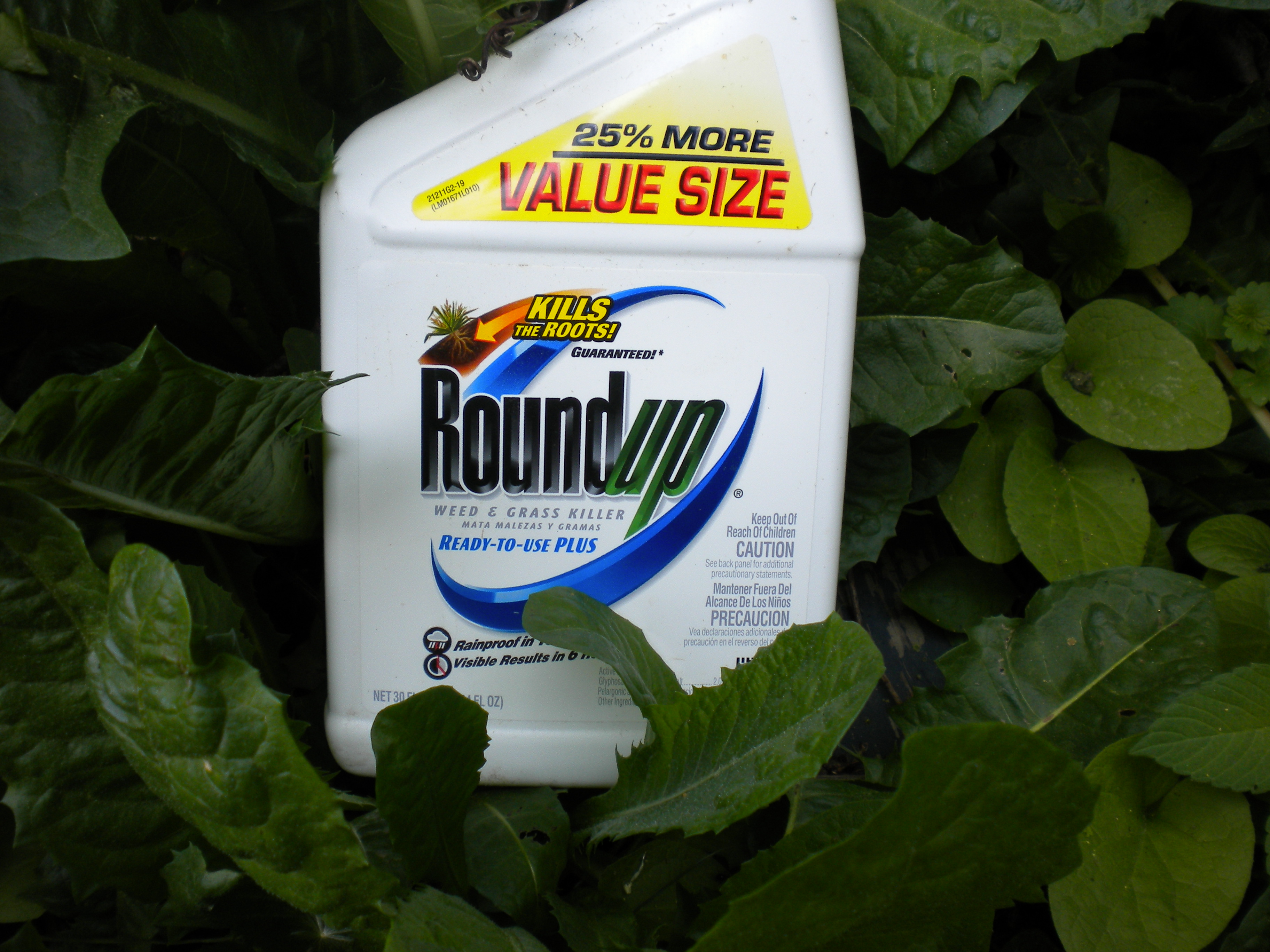
This study shows that glyphosate, the active ingredient of roundup, enhances the damaging effects of other food borne chemical residues and environmental toxins.


Full study here: Gly, Modern disease,Samsel-Seneff 


Abstract:

Glyphosate, the active ingredient in Roundup®, is the most popular herbicide used worldwide. The industry asserts it is minimally toxic to humans, but here we argue  otherwise. Residues are found in the main foods of the Western diet, comprised primarily of sugar, corn, soy and wheat. Glyphosate’s inhibition of cytochrome P450 (CYP) enzymes  is an overlooked component of its toxicity to mammals. CYP enzymes play crucial roles in biology, one of which is to detoxify xenobiotics. Thus, glyphosate enhances the damaging effects of other food borne chemical residues and environmental toxins. Negative impact on the body is insidious and manifests slowly over time as inflammation damages cellular systems throughout the body. Here, we show how interference with CYP enzymes acts synergistically with disruption of the biosynthesis of aromatic amino acids by gut bacteria, as well as impairment in serum sulfate transport. Consequences are most of the diseases and conditions associated with a Western diet, which include gastrointestinal disorders, obesity, diabetes, heart disease, depression, autism, infertility, cancer and Alzheimer’s disease. We explain the documented effects of glyphosate and its ability to induce disease, and we show that glyphosate is the “textbook example” of exogenous semiotic entropy: the disruption of homeostasis by environmental toxins.

Authors:  Anthony Samsel and Stephanie Seneff

Monsanto Panics as Oregon GM Wheat Scandal Spreads Worldwide


Sustainable Pulse

Monsanto Panics as Oregon GM Wheat Scandal Spreads Worldwide


USDA INVESTIGATING DETECTION OF GENETICALLY ENGINEERED (GE) GLYPHOSATE-RESISTANT WHEAT IN OREGON


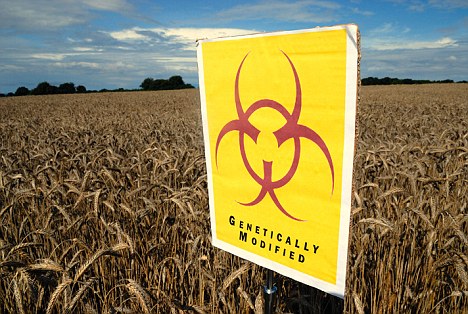
The U.S. Department of Agriculture’s (USDA) Animal and Plant Health Inspection Service (APHIS) announced Wednesday that test results of plant samples from an Oregon farm indicate the presence of genetically engineered (GE) glyphosate-resistant wheat plants. Further testing by USDA laboratories indicates the presence of the same GE glyphosate-resistant wheat variety that Monsanto was authorized to field test in 16 states from 1998 to 2005. APHIS launched a formal investigation after being notified by an Oregon State University scientist that initial tests of wheat samples from an Oregon farm indicated the possible presence of GE glyphosate-resistant wheat plants.  

There are no GE wheat varieties approved for sale or in commercial production in the United States or elsewhere at this time.

As a result of the USDA announcement Japanese authorities have canceled a tender offer to buy wheat from the US and other governments worldwide have threatened to stop all US wheat imports.

The EU Commission has asked the United States how to test for unapproved GM Wheat, a spokesman said, adding that incoming shipments would be tested and blocked if they contained the strain.

The detection of this wheat variety does not pose a food safety concern. The Food and Drug Administration (FDA) completed a voluntary consultation on the safety of food and feed derived from this GE glyphosate-resistant wheat variety in 2004. For the consultation, the developer provided information to FDA to support the safety of this wheat variety. FDA completed the voluntary consultation with no further questions concerning the safety of grain and forage derived from this wheat, meaning that this variety is as safe as non-GE wheat currently on the market.“We are taking this situation very seriously and have launched a formal investigation,” said Michael Firko, Acting Deputy Administrator for APHIS’ Biotechnology Regulatory Services, “Our first priority is to as quickly as possible determine the circumstances and extent of the situation and how it happened. We are collaborating with state, industry, and trading partners on this situation and are committed to providing timely information about our findings. This situation is unacceptable and USDA will put all necessary resources towards this investigation.”

The Plant Protection Act (PPA) provides for substantial penalties for serious infractions. Should APHIS determine that this situation was the result of a violation of the PPA, APHIS has the authority to seek penalties for such a violation including civil penalties up to $1,000,000 and has the authority to refer the matter for criminal prosecution, if appropriate.

APHIS, the U.S. Environmental Protection Agency (EPA), and the U.S. Department of Health and Human Services’ FDA work together to regulate the safe use of organisms derived from modern biotechnology. APHIS regulates the introduction (meaning the importation, interstate movement, and environmental release/field testing) of certain GE organisms that may pose a risk to plant health. EPA regulates pesticides, including plants with plant-incorporated protectants (pesticides intended to be produced and used in a living plant), to ensure public safety. EPA also sets limits on pesticide residues on food and animal feed. FDA has primary responsibility for ensuring the safety of human food and animal feed, as well as safety of all plant-derived foods and feeds.
1 Star2 Stars3 Stars4 Stars5 Stars

Danish Whistle-blowers Reveal Links between GM soy, Roundup and Health Damage in Pig Herd

Sustainable Pulse


Danish Whistle-blowers Reveal Links between GM soy, Roundup and Health Damage in Pig Herd


New revelations have undermined the myth that GM soy and Roundup residues are essentially harmless components in the European animal feed supply chain.
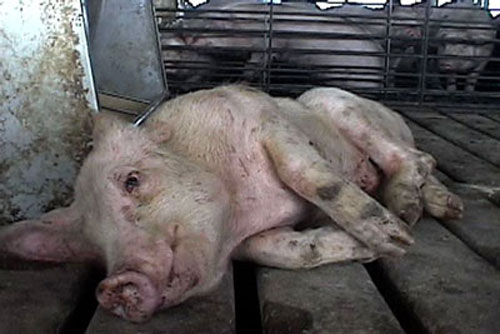
A farming newspaper (Effektivt Landbrug) has caused a storm of controversy in Denmark by publishing (1) an extended analysis of the connections made by pig farmer Ib Borup Pedersen between GM soy and health problems in his herd of breeding sows. In an interview for the newspaper, Mr Pedersen contended that there was also a link between Roundup herbicide residues and stillbirths and malformations in pig litters. But most interestingly of all, he explained that since switching the feed in his breeding sow house to non-GM soy, health problems and medical costs have declined dramatically, to the point where the extra costs involved in purchasing non-GM soy feed are more than offset by reduced medication costs. The bottom line is that his farming operation is now more profitable than it was under the GM-soy feeding regime.


It is a long-held belief across most of the livestock farming community in Europe that farmers MUST use GM soy in animal diets in order to operate profitably — but Mr Pedersen says that that is just not true, and that farmers have simply been reluctant to face up to the real costs of their operations, by failing properly to account for medication costs and even by turning a blind eye to animal deaths and ailments. In an Editorial comment the newspaper urged Danish pig farmers not to close ranks but to open up an honest debate on the animal welfare, health and financial implications of the current dependence upon GM soy and Roundup herbicide.

Not surprisingly, the publication of the feature and Editorial has caused a storm of protest within Denmark, partly from vested interests including feed suppliers and agrichemical merchants and partly from those who feel that it is somehow disloyal for anybody — least of all a farming newspaper — to suggest that there might be something amiss in the Danish pig farming industry, which prides itself on high standards and a pristine “brand image.”

Following the publication of the newspaper article in Denmark, the Welsh group GM-Free Cymru has conducted extended interviews with Mr Ib Borup Pedersen, and also with a second farmer — Mr Sigurd Christensen — and has obtained a good deal of previously unpublished information. This is contained in a “Denmark Dossier” which can be accessed via this press release.

Speaking for GM-Free Cymru, Dr Brian John says: “These revelations come as no surprise to us. For years we have been picking up on information which suggests that GM crops and Roundup herbicide formulations are linked to animal deaths and health problems. This is supported by experimental evidence from independent research teams — but the GM industry, the European animal feed industry, and the farming community across Europe has been involved in an on-going cover-up which could not possibly be maintained ad infinitum. The EC and the GM regulatory bodies are also implicated in the cover-up, since they have systematically ignored “evidence of harm” brought to their attention over many years.

“We suspect that in many European countries, the pig farming industry is in a state of denial about the health of the animals fed on GM soy and subjected to Roundup residues in the feed chain and in litter; we wonder, for example, how many dead and malformed animals are simply disposed of, with no vets informed and no records kept?

“We now demand that the EU reassesses all of the GM soy consents already given, and puts an immediate halt on any assessments in the pipeline. This is not just an animal welfare issue; we are quite convinced that unless GM soy and Roundup are removed entirely from the animal feed chain, the health of the people of Europe will be seriously compromised.”

ENDS

Contact: Dr Brian John GM-Free Cymru Tel 01239-820470

NOTES
1. Pig farmer reaps gains from GMO-free soy, Effektivt Landbrug, 13 April 2012 www.effektivtlandbrug.dk/indhold/sider/artikler/vis_artikel.aspx?id=24261
Not all of the material published in the newspaper is online; the additional material can be provided on request.
2. The PDF entitled “GM Soy linked to health damage in pigs — a Danish Dossier” is to be found here:
and here:

What's wrong with genetic engineering (GE)?

Greenpeace


Genetic Engineering

While scientific progress on molecular biology has a great potential to increase our understanding of nature and provide new medical tools, it should not be used as justification to turn the environment into a giant genetic experiment by commercial interests. The biodiversity and environmental integrity of the world's food supply is too important to our survival to be put at risk.


What's wrong with genetic engineering (GE)?

Genetic engineering enables scientists to create plants, animals and micro-organisms by manipulating genes in a way that does not occur naturally.
These genetically modified organisms (GMOs) can spread through nature and interbreed with natural organisms, thereby contaminating non 'GE' environments and future generations in an unforeseeable and uncontrollable way.

Their release is 'genetic pollution' and is a major threat because GMOs cannot be recalled once released into the environment.

Because of commercial interests, the public is being denied the right to know about GE ingredients in the food chain, and therefore losing the right to avoid them despite the presence of labelling laws in certain countries.

Biological diversity must be protected and respected as the global heritage of humankind, and one of our world's fundamental keys to survival. Governments are attempting to address the threat of GE with international regulations such as the Biosafety Protocol.


April 2010: Farmers, environmentalists and consumers from all over Spain demonstrate in Madrid under the slogan "GMO-free agriculture." They demand the Government to follow the example of countries like France, Germany or Austria, and ban the cultivation of GM maize in Spain.

We believe:

GMOs should not be released into the environment since there is not an adequate scientific understanding of their impact on the environment and human health.

We advocate immediate interim measures such as labelling of GE ingredients, and the segregation of genetically engineered crops and seeds from conventional ones.

We also oppose all patents on plants, animals and humans, as well as patents on their genes. Life is not an industrial commodity. When we force life forms and our world's food supply to conform to human economic models rather than their natural ones, we do so at our own peril.

GMO Myths and Truths: Summary


Organic Consumers Association


GMO Myths and Truths: Summary

Executive Summary

GMO Myths and Truths reportGenetically modified (GM) crops are promoted on the basis of a range of far-reaching claims from the GM crop industry and its supporters. They say that GM crops:
  • Are an extension of natural breeding and do not pose different risks from naturally bred crops
  • Are safe to eat and can be more nutritious than naturally bred crops
  • Are strictly regulated for safety
  • Increase crop yields
  • Reduce pesticide use
  • Benefit farmers and make their lives easier
  • Bring economic benefits
  • Benefit the environment
  • Can help solve problems caused by climate change
  • Reduce energy use
  • Will help feed the world.
However, a large and growing body of scientific and other authoritative evidence shows that these claims are not true. On the contrary, evidence presented in this report indicates that GM crops:
  • Are laboratory-made, using technology that is totally different from natural breeding methods, and pose different risks from non-GM crops
  • Can be toxic, allergenic or less nutritious than their natural counterparts
  • Are not adequately regulated to ensure safety
  • Do not increase yield potential
  • Do not reduce pesticide use but increase it
  • Create serious problems for farmers, including herbicide-tolerant “superweeds”, compromised soil quality, and increased disease susceptibility in crops
  • Have mixed economic effects
  • Harm soil quality, disrupt ecosystems, and reduce biodiversity
  • Do not offer effective solutions to climate change
  • Are as energy-hungry as any other chemically-farmed crops
  • Cannot solve the problem of world hunger but distract from its real causes – poverty, lack of access to food and, increasingly, lack of access to land to grow it on.
Based on the evidence presented in this report, there is no need to take risks with GM crops when effective, readily available, and sustainable solutions to the problems that GM technology is claimed to address already exist. Conventional plant breeding, in some cases helped by safe modern technologies like gene mapping and marker assisted selection, continues to outperform GM in producing high-yield, drought-tolerant, and pest- and disease-resistant crops that can meet our present and future food needs.


Download a PDF of the full GMO Myths and Truths report

For more information on this topic or related issues you can search the thousands of archived articles on the OCA website using keywords:


10 IRREFUTABLE evidence that GMO can harm you!


Seattle Organic Restaurants

10 IRREFUTABLE evidence that GMO can harm you!

monsanto- Long term toxicity of a Roundup herbicide and a Roundup-tolerant genetically modified maize
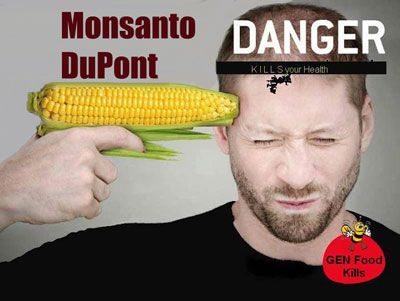
- Why genetically engineered food is dangerous: New report by genetic engineers


Nature is a living organism that functions through every cell and organ that is working together. There is nothing isolated in nature and everything is connected with one another. All these years, science has been trying to discover and explore complexity that exists in nature. However even the most advanced 3D engineering modeling and analysis cannot fully understand all the parameters and complexities that exists within the universe and sometimes the results aren’t even half close to reality. Although technology, industrialization and innovation have been revolutionary in human being’s life, at the same time they have resulted in dysfunction, scarcity and even destruction of our planet. In the last few decades one of the crises that our planet has been facing is modern agricultural. Extensive farming, use of pesticides, herbicides, chemical fertilizers, genetically modified foods or crops and invention of hormones and antibiotic that are fed to our livestock have drastically changed everything.


GMO dangers


Only 3% of US farm lands are planted with fruits and vegetables while 50% of farms are used for planting soy and corn. Even farmers treat what they plant as a commodity rather than food. With the anti-GMO labeling policies in America, there is no way that you would know, weather or not, what you buy in grocery stores are genetically modified or not. Even if you only buy organic foods, how could you know that the original seeds weren’t genetically modified? Yes the farmer might have used good soil without pesticides or chemicals to grow your favorite tomatoes, but there is no way that anyone would know where the actual seeds came from.


gastrointestinal-diseases


In the last three decades, industrialized agriculture, biotechnology and extensive use of pesticides, herbicides and chemical fertilizers have resulted in a nutrient-deficient soil. Mineral & nutritional deficiencies in soil, weak immune system in human beings and animals, new diseases, viruses & global warming are all related.

Environmental & Health Impact of GMO Seeds and Crops

Studies and research shows that soil microorganisms are very essential for soil fertility. Over 100 million microorganism and over 1000 species live in one gram of productive soil. Without these microorganisms that include fungi, bacteria, algae and insects, plants wouldn’t obtain the essential nutrition for growth.
Also, there was a huge change in US agriculture as the result of medical research on antibiotics, pesticides and synthetic chemicals during World War II.
Use of pesticides, herbicides and fungicides started killing fungi, weeds and useful bacteria in the soil. Excessive use of hormones and antibiotics also resulted in antibiotic resistant diseases in animals and people. Our soil and livestock were doing fine until genetic engineering was invented.

In genetic engineering a number of different genes are inserted into the recipient organism. At the same time chemicals & pesticides are sprayed on GMO crops which potentially results in destruction of most of the insects and living microorganisms in the soil.


GMO seeds


These engineering crops could also contaminate wild plants with new genes and that could result in production of widely spread viruses. GMO crops could be a danger to flies, insects, birds and other animals. GMO crops could also be a threat for crop diversity. These GMO crops over time become resistant to herbicides or pest control products so stronger herbicides or pest control products will be needed. As stronger herbicides or pest control products are used there would be a possibility for a more evolved version of viruses.

Here are actual cases of GMO’s harm to humans and livestock (that we eat):

1. There have been numerous cases where animals have died or became serious ill and were put down in order to avoid mass contamination or to calm down the panic that would have caused even more damage to the food industry. In Hesse, Germany many cows died suddenly when they were fed with Syngenta’s genetically engineered maize cow food and as a result of this incident the authorities in Germany decided to slaughter the rest of the cows to avoid having the mysterious disease to get out and contaminate other cattle houses. Syngenta did admit that the protein used for the cow food maize is also used for human genetically engineered foods. Oh dear, why has Syngenta now withdrawn this protein from human genetically engineered foods? Let’s ask FDA.

- Syngenta Charged for Covering up Livestock Deaths from GM Corn

- Doctors Warn: Avoid Genetically Modified Food

2. Why should you be concerned that cows eating GMO foods died and/or got contaminated with a mysterious disease? Because, if you eat meat or chicken that is contaminated as a result of a GMO with re-engineered DNA that is contaminated with a pathogen, then the DNA genes contaminate your cells and are also harmful to you. These DNA genes can be INSERTED into your own genes.

- Genetically Engineered Food Alters Our Digestive Systems

- Assessing Survival of Transgenic Plant DNA in the Human Gastrointestinal Tract

- DNA from GE foods can end up in your genes 


GMO corn


3. Roundup Ready Soy was given to mother rats as food during a study and it was discovered that 53% of the babies born died within a couple of weeks, about 10 times worse than normal. The biochemical form and structure of rats are very similar to human which is why they are used so often for studies to protect humans against various diseases. So the study should be of a major concern to FDA and other authorities that are concerned with health impediments of GMO’s. What should be even more concerning to FDA is that the GMO soy beans given to these rats caused serious disturbances to the liver by changing the cellular function of the liver and the cell nucleus, which may cause serious changes to the way our body operates at the biological level. Who knows how far this may go – may be in a few years of nucleus changes, men will even get pregnant since some already are growing breasts due to consumption of hormones.

- Mother Rats Fed Genetically Modified Soy Led to 56% Mortality of Offspring

- Biological Effects of Transgenic Maize Fed Long Term to Mice

- Genetically Modified Soy Linked to Sterility, Infant Mortality


GMO side effects 
 
 4. If you don’t eat beef or don’t much care about rats, then do you like lamb? When was the last time you had lamb kobabs or lamps cutlets? Nearly 2,000 sheep have died after grazing on GMO cotton crops and were found to have server toxicity and inflammation of intestines and the same toxin exists in GMO foods intended for future release to people, starting in Asia and Africa.

- Mortality in Sheep Flocks after Grazing on Bt Cotton FieldsWarangal District, Andhra Pradesh" Report of the Preliminary Assessment, April 2006

5. In United States gastrointestinal diseases (chronic and acute) have increased dramatically since mid 90s and this has been linked to GMO foods given to sheep. In Sweden, where no GMO foods are allowed for humans or cattle, there has been no change whatsoever. Scientists are still researching the inflammation causes to the intestine and the study will take another 2 years to complete, while GMO foods are still being given to sheep in US.

- Liver Damage Caused by GM Food

- How Genetically Modified Foods Lead to Inflammatory Bowel Disease

6. In UK, GMO soy was put through a thorough test on a group of students at Sheffield University, half on GMO soy and the other on non-GMO soy and the research was conducted with all other parameters being equal, e.g. water consumption, diet size, environmental factors, etc. By the end of the research the GMO soy fed subjects were experiencing some allergies with 50% of them experiencing long term allergies - compared to no GMO soy fed subjects.


7. In laboratory tests, again and again, animals avoided GMO foods compared to non-GMO equivalent. Should we trust the instincts of animals that live based on their instincts?


8. Argentina has been one of the first countries to convert half of their arable land to GMO food production and are now the country with a major serious agricultural nightmare which has resulted in more than 20,000 farmers losing their land and livelihoods to superweeds that have destroyed the soil and is now a major agricultural crises in the world.
GMOs

In India every 30 minutes, one farmer commits suicide because of devastating side effects of genetically modified organisms.

9. Scientists and Genetic Engineers themselves (if not coerced nor threatened with unemployment – or worse) tell us that GMO as used in crop development is not precise or predictable and has not been shown to be safe. The technique can result in the unexpected production of toxins or allergens in food that are unlikely to be spotted in current regulatory checks.

- Why genetically engineered food is dangerous: New report by genetic engineers
 

- The Union of Concerned Scientists about GMO - Concerns Expressed by Government Scientists about GMOs - Dangers of Genetically Engineered Foods

GMO seeds


10. The scariest of them all – the authorities (FDA and others) as well as food corporations protest profusely to any kind of labeling of GMO foods. I don’t know about you, but that certainly concerns me that they would be so adamantly against labeling and so vehemently fighting against it – as if they have nothing better to do. Why are they so much against it? What is wrong with labeling or essentially saying, “… some foods are GMO and we (FDA) as well as our partners (Food Companies) don’t think there is anything wrong with them, but for the informed consumers’ choice and for fairness, we decided to include it in the labeling”. The fact that they assume that they know best and that they are the informed, logical, and trustworthy entity and us the people, who want labeling, are ignorant, fearful, and paranoid - tells me that they are hiding something. Why not be open and truthful and let people decide if they want GMO in their food or not? In a free country, should we not have the choice to eat GMO-free foods if we want?

Tuesday, May 28, 2013

9 Things You Should Know About the New Farm Bill


Food  


The House and Senate will vote soon on the new bills -- but there are important differences.


This week, both the House and Senate Agriculture committees adopted their versions of the 2013 Farm Bill. This is the latest move in the long-running attempt to pass a “normal” 5-year farm bill to replace one that was last passed in 2008. Several attempts to pass a farm bill in 2012 were unsuccessful and the farm bill that is currently in effect is a short-term extension that expires in September 2013.

There are some significant differences between the House and the Senate, in both what their bills actually contain and in the process used to get them through the committee. Both sides had an abbreviated process, skipping the normal step of conducting a series of hearings to explore various issues before writing the bill. But the Senate Agriculture Committee took the streamlining even further, managing to discuss, amend and pass its version of the bill in a little under three hours on Tuesday. The House Agriculture Committee finished theirs in a marathon session that took most of the day, wrapping up just before midnight Wednesday night.

Now each bill (HR 1947 and S 954) has to go to the floor for the whole body to vote on. The Senate is going first, with leadership claiming they will do the Farm Bill as early as next week. The full House may see their bill in June.
Here are some key differences between the two versions and things to look out for when the bills are on the floor:

1. Fair Markets for Farmers: It’s been a long battle to get the USDA to stop the abusive practices used by meatpackers and chicken processors to cheat ranchers and livestock producers raged on in this round. The 2008 farm bill directed the USDA to write rules to address commonplace abuses in the meatpacking and poultry sector, and the meat industry has been on the attack ever since. After years of fighting to get those rules in effect, the House Ag committee’s version of the Farm Bill repealed the few provisions of the “GIPSA Rule” that remained, which prohibited some of the most abusive things chicken companies do to contract poultry growers. The amendment also prohibits USDA from taking any action to curb emerging abuses in the meatpacking and poultry sector. The Senate bill does not contain this provision to repeal the rules.

2. Country of Origin Labeling: Just like livestock fairness rules, the meat industry has been out to kill country of origin labeling ever since it was included in the 2002 Farm Bill. Sen. Mike Johanns (R-NE) and Rep. Austin Scott (R-GA) each introduced amendments to repeal mandatory country of origin labeling, using the flimsy excuse that the World Trade Organization decision last year meant the program must end. The USDA is poised to release a technical change to COOL requirements that address the WTO decision, and there is no need for Congress to get involved in COOL at this point. The amendments were withdrawn in committee (probably because the enemies of COOL did not have the votes to win), but this issue will very likely come up again when the bills goes to the floor.

3. Food Safety: The 2008 Farm Bill shifted catfish inspection from the Food and Drug Administration to the USDA. U.S. consumers and catfish farmers wanted to replace the FDA’s lackluster inspection regime that allowed too many dangerous imports, hurting catfish’s reputation in the marketplace. Ever since, seafood importers have been trying to stop this from happening because they don’t want imported catfish to have to undergo the more rigorous inspection that would come with a USDA program. The House version of the bill repeals the catfish inspection program at the USDA and would move it back to FDA.

4. Organic: Organic agriculture fared much better in the Senate version of the bill, which restores funding for several “stranded” organic programs that expired last year, including data collection about organic agriculture, organic research funding and a cost-share program for newly certified organic farms and processors. Only the research program is funded in the House bill.

The biggest news on the organic front is that while critical organic programs have struggled to survive the last year’s craziness in the farm bill, both the House and Senate bills include language that would allow the creation of an organic “checkoff” program. The USDA-created checkoff programs fund research and promotion efforts for specific commodities (like cattle, hogs, eggs, etc.) by collecting a mandatory fee from farmers when they sell their products. Checkoff programs have paid for some famous advertising efforts like “Beef: It’s What’s for Dinner” and “Got Milk?”

Problem is, many farmers hate the checkoffs because they think the funds (which come from their sales) are not spent on things that actually help them but instead fund trade associations that are often dominated by meatpackers and processors. The USDA has a long history of poor oversight of the funds, which allows a lot of industry mischief that doesn’t benefit farmers. Creating a checkoff program for all organic products is controversial and we and many farmers oppose it.

5. Nutrition Safety Net: Not surprisingly, both committees took big swipes at the Supplemental Nutrition Assistance Program (or SNAP, formerly known as food stamps) that provides a nutrition safety net for lower-income people. More than half of the overall savings found in the House bill were created by cutting SNAP by $20 billion. These cuts were five times bigger than the still-too-large $4 billion cut by the Senate committee. The cuts would squeeze people off SNAP largely by making it harder for people to qualify for the program. This was a topic of fierce debate in the House committee and will be a major issue on the House floor. Last year, the full House never voted on the Farm Bill, in large part because of controversy over food stamps.

6. Commodity Programs: Both the House and Senate bills end direct payments to farmers raising commodity crops and shift them towards crop insurance instead of government commodity programs. There was a big fight in the House committee over the dairy program, one that is sure to continue when the bill goes to the House floor. The House committee’s bill includes a program designed by Ag Committee Ranking Member Collin Peterson (D-MN) that creates a program to pay dairy farmers when the margin between the price of their milk and the cost of the feed they buy drops below a set level. It also has mechanisms to discourage overproduction of milk when prices are low. Dairy processing companies that love buying cheap milk from farmers hate this program and fought hard to get it out of the bill but were unsuccessful. The Peterson program is more popular with dairy farmers, but doesn’t actually do enough to ensure that the price farmers receive for their milk reflects their total production costs, according to family dairy farmers.

7. Conservation: Conservation programs to protect fragile land, like the Conservation Security Program, have taken a beating in the last several rounds of budget cutting and Farm Bill extensions. This hasn’t really improved in either the House or Senate bills; both sides reduced funding for conservation by combining or eliminating existing programs. The Senate bill includes a requirement that farmers receiving government support to pay crop insurance premiums must be in compliance with conservation standards (conservation compliance was already required for the commodity programs). The Senate bill also added a focus on protecting bees and other pollinators and includes veterans to the list of types of farmers with designated conservation programs.

8. Beginning Farmers and Local Food: There were some improvements in programs for beginning and socially disadvantaged farmers, including a measure in the House bill to create a Socially Disadvantaged Farmer and Rancher Policy Center and support in both the House and Senate bills for the Healthy Food Financing Initiative, which provides funding to help site retailers selling fresh food in underserved communities.

9. House Amendment Attack’s States Ability to Regulate Food and 
Agriculture: An amendment by Rep. Steve King (R-IA) would effectively overturn state laws that set food and agriculture standards that are higher than federal rules. The broad measure is an attack on laws passed by states to establish more humane livestock rules (the purported aim of the amendment) but would also prevent states from setting stronger food safety rules, agriculture product standards, protections against invasive pests or livestock diseases or conceivably even efforts to label GE foods. Federal law should set a floor not a ceiling on what local citizens want in the food and farming systems; this language must be removed as the Farm Bill moves forwards.

We’ll have more news next week about when the full Senate will vote on the Farm Bill and what you can do to make the bill better.

Patty Lovera is assistant director at Food and Water Watch.